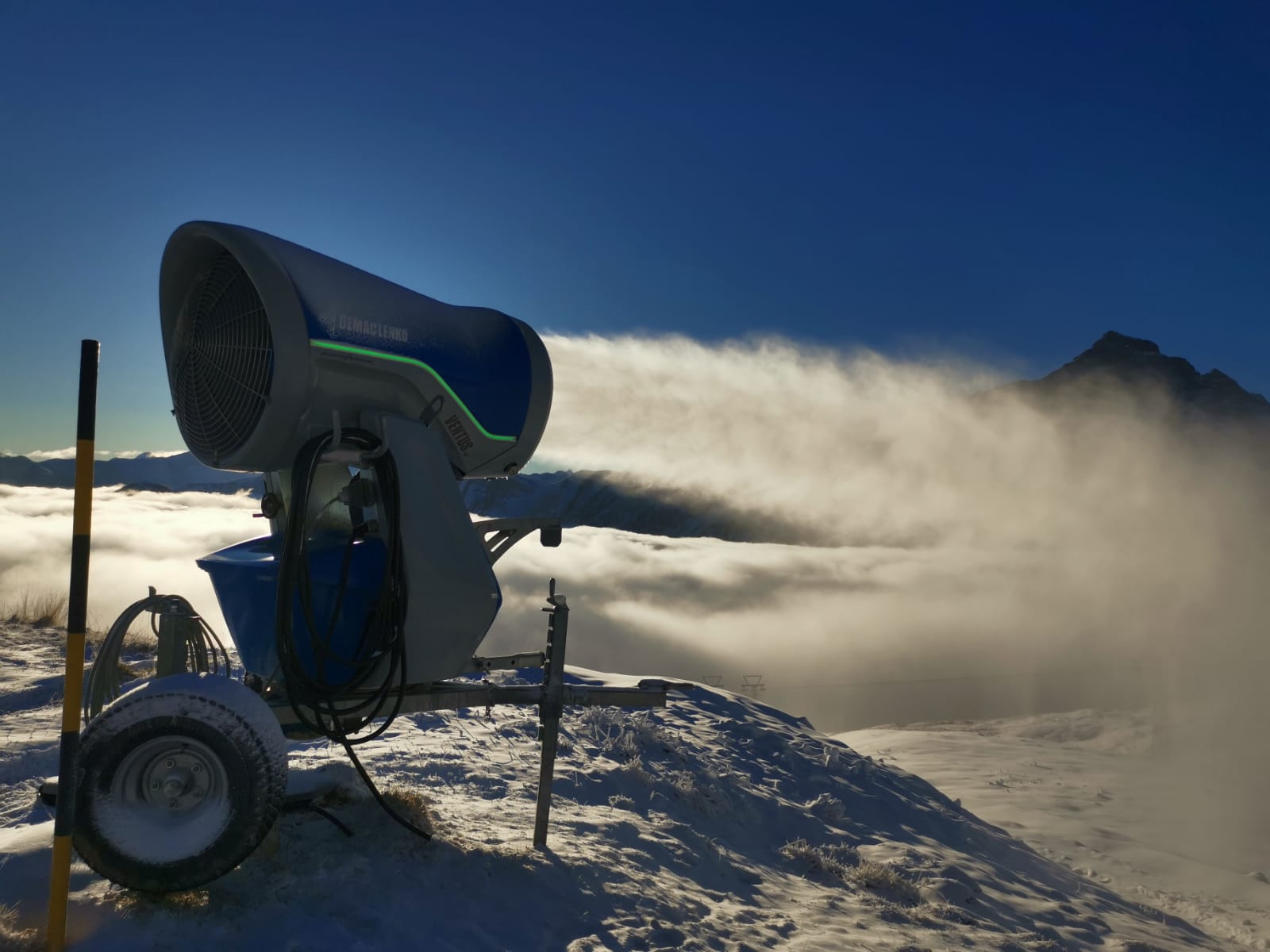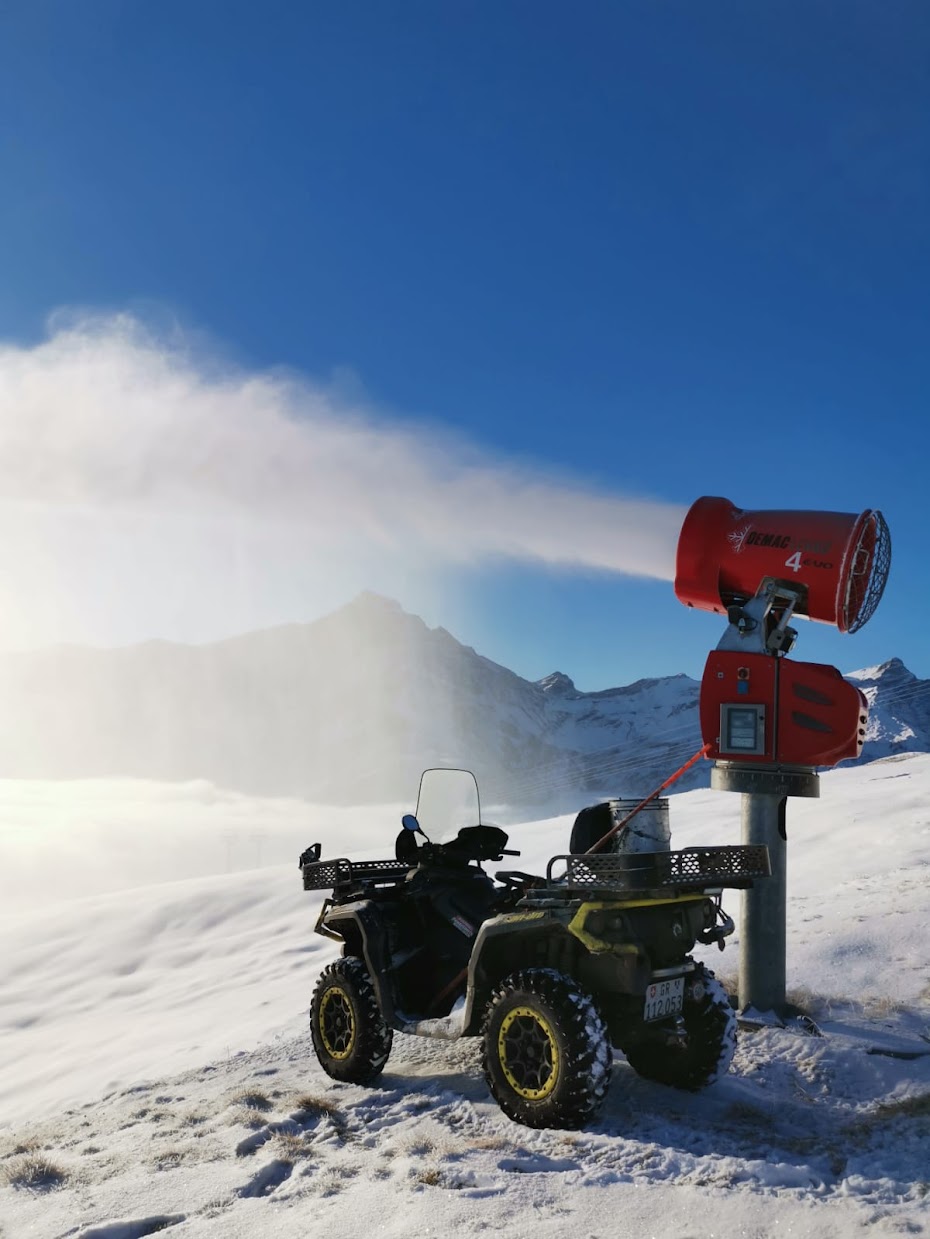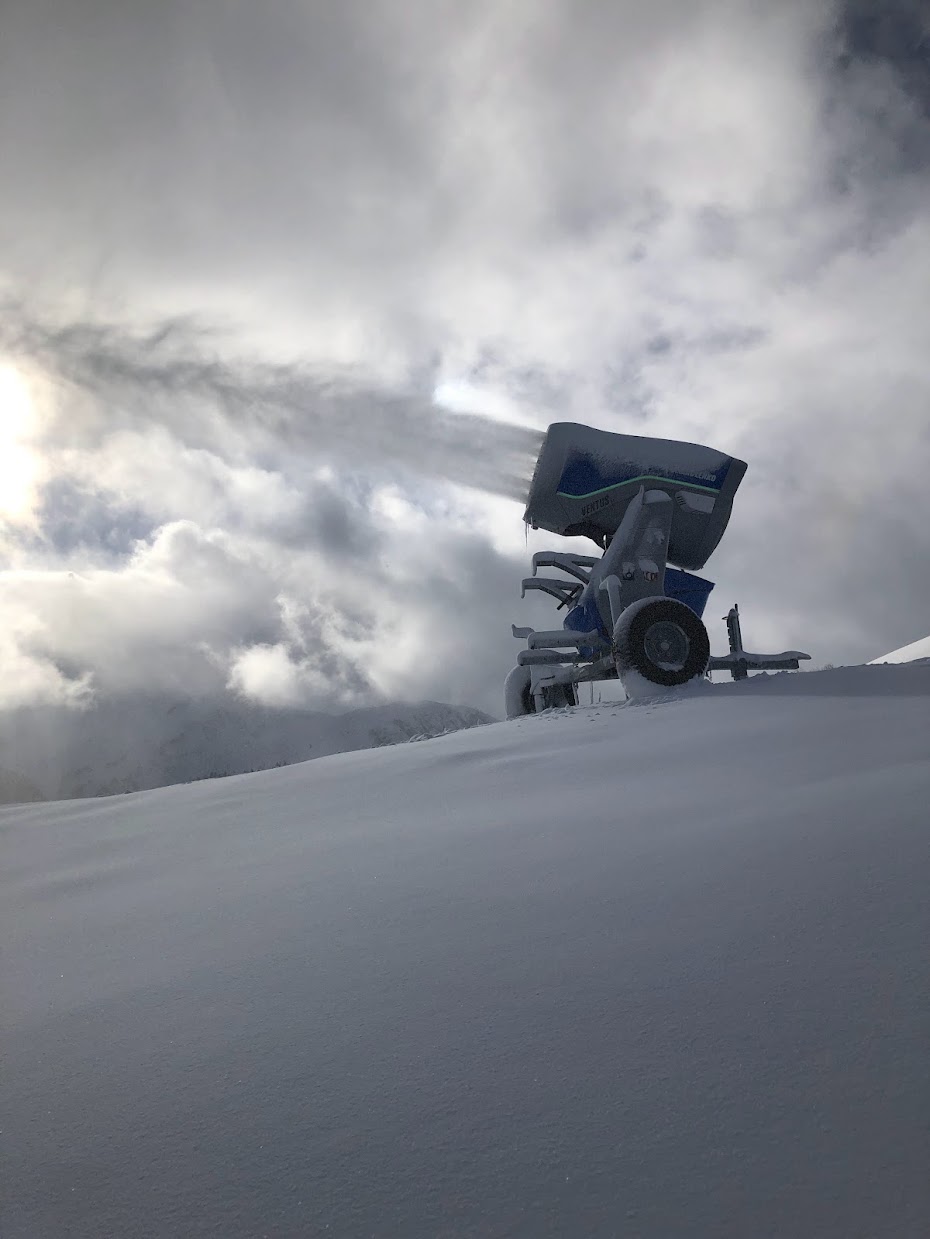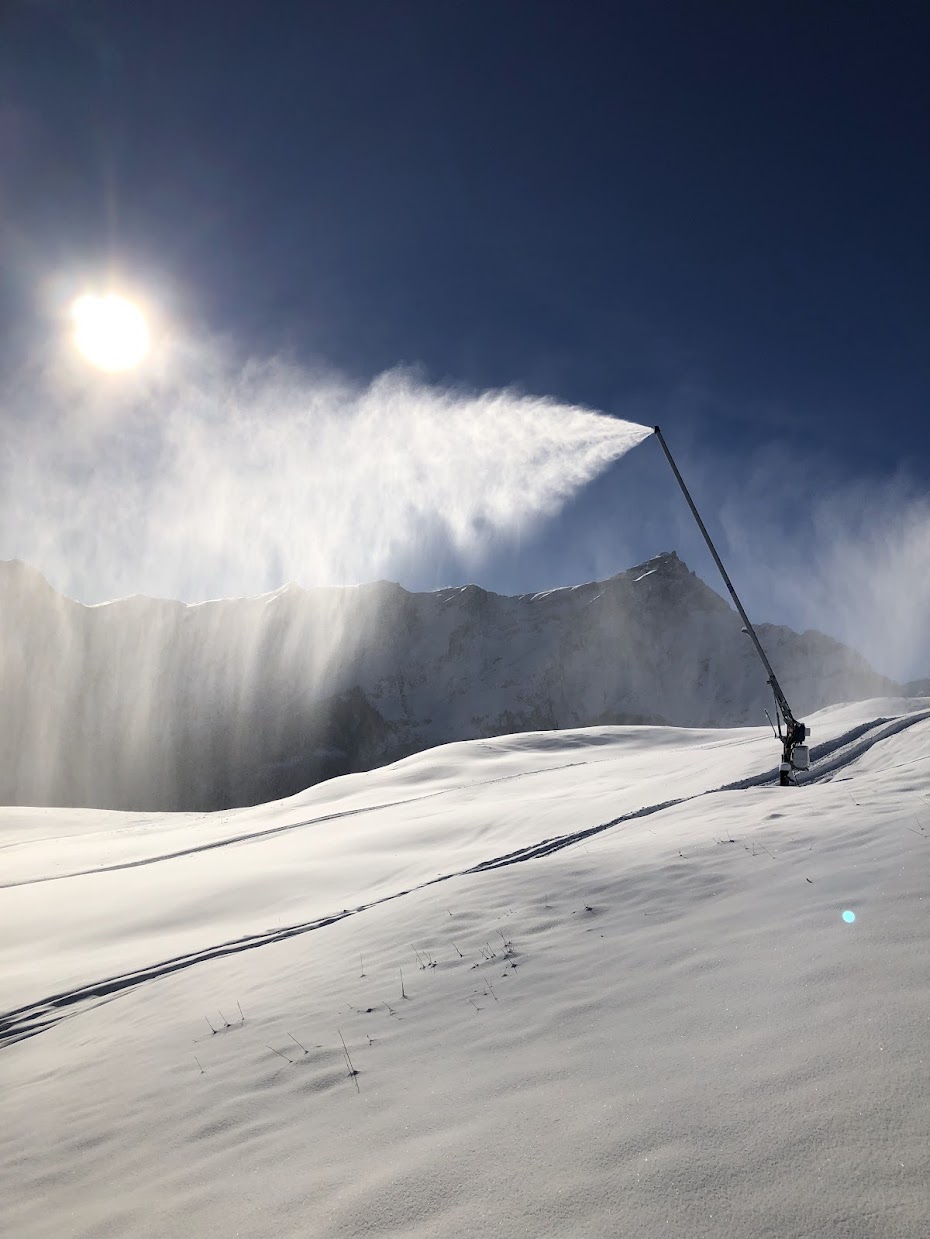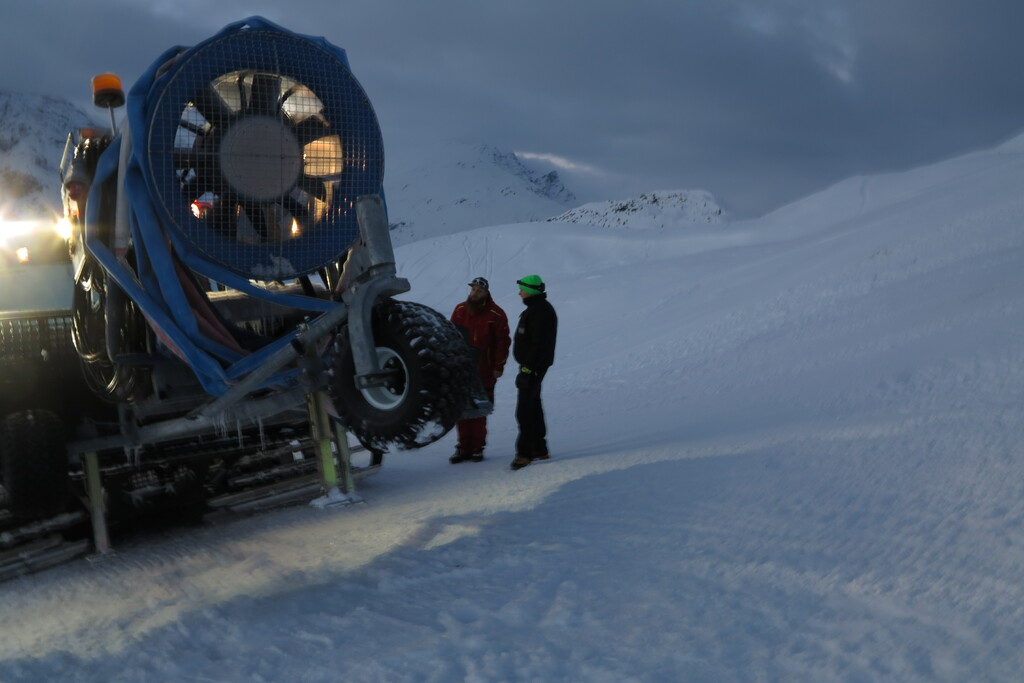
Winter use on the mountains - snowmakers at the Tschappina ski lifts

1. Area of application between runway and technology
When temperatures drop, the most intensive phase of the winter season begins for snow-makers on the Tschappina Heinzenberg ski lifts. To ensure that guests find perfect slopes, employees work early in the morning, late in the evening and often at night. Her area of work is extensive, technically demanding and spread over various sections of the ski area — often away from heavily frequented areas.
2. Out and about
The snowmaking teams travel by quad bike or snowmobile. The locations of use are changing and range from exposed slopes to hard-to-reach technical zones. Each shift brings new conditions: darkness, slopes, cold, wetness or limited visibility. It is precisely this diversity that makes work demanding — especially when employees are traveling alone.
3. Working alone at night and under changing conditions
Many snowmaking tasks take place outside operating hours. This means longer deployments alone off-road, often in winter conditions and with constantly changing snow conditions. A technical problem, a fall or a medical event can quickly become critical in such situations, as immediate support is not always available.
4. Safety as a constant companion
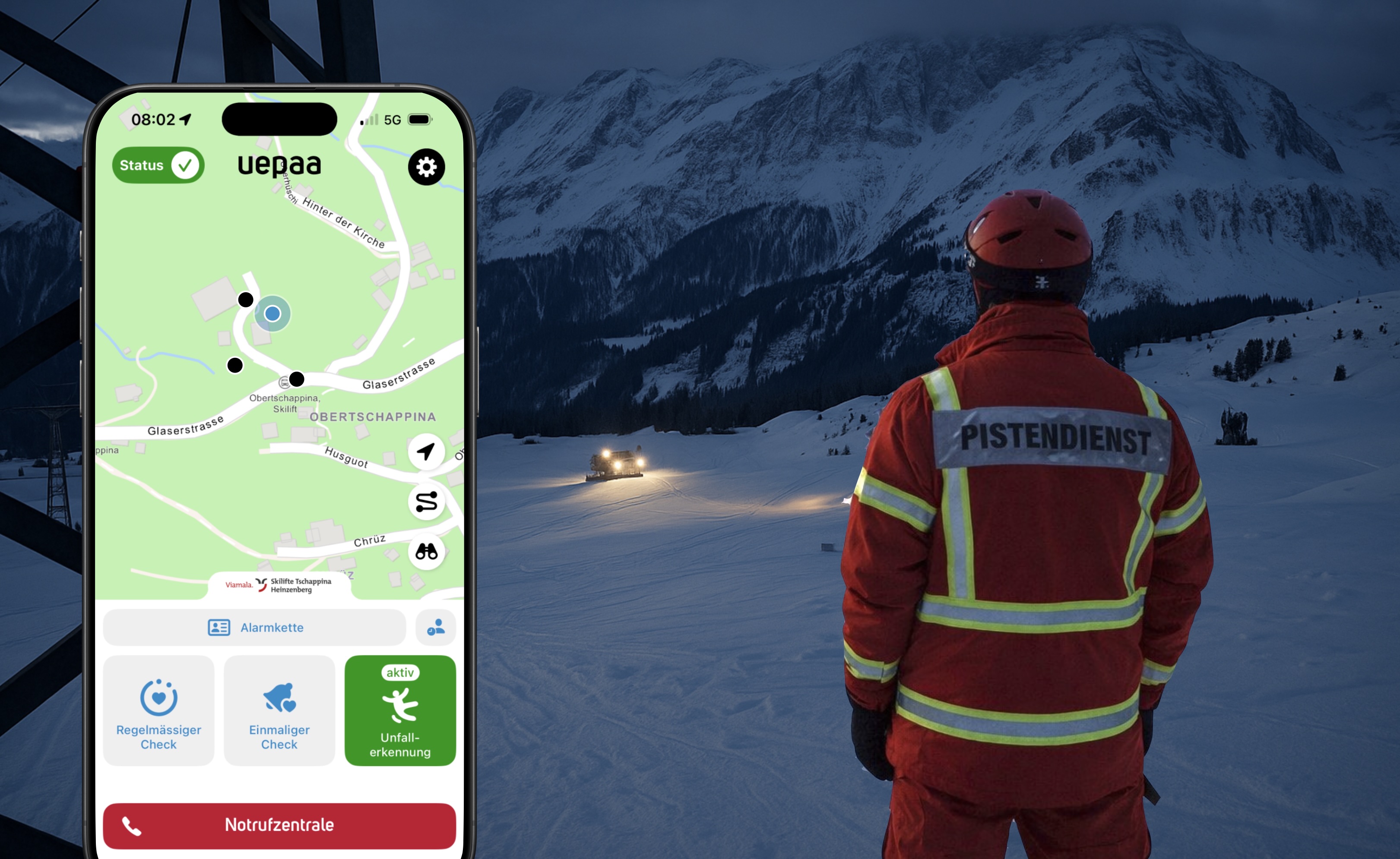
In order to reliably protect employees, the Tschappina Heinzenberg ski lifts rely on the professional lone work safety solution from Uepaa®. The app runs in the background without interfering with workflows and supports teams exactly when it matters.
5. The app features that count
Accident detection
Automatically detects critical events — and triggers an alarm even when no hand is free anymore.
Connected 24/7 emergency call center
The Uepaa app is directly connected to a professional control center that reacts around the clock and organizes help.
Direct comrade assistance
In addition, the app alerts the own team at the Tschappina ski lifts and other Uepaa users nearby — for quick assistance.
Protection even when reception is limited
Protection remains active even in remote areas of slopes or when winter conditions change. With back-confirmation alarms, the warning chain works reliably even when reception is reduced.