Highly automated wood processing – and the safety behind it

Highly automated wood processing – and the safety behind it
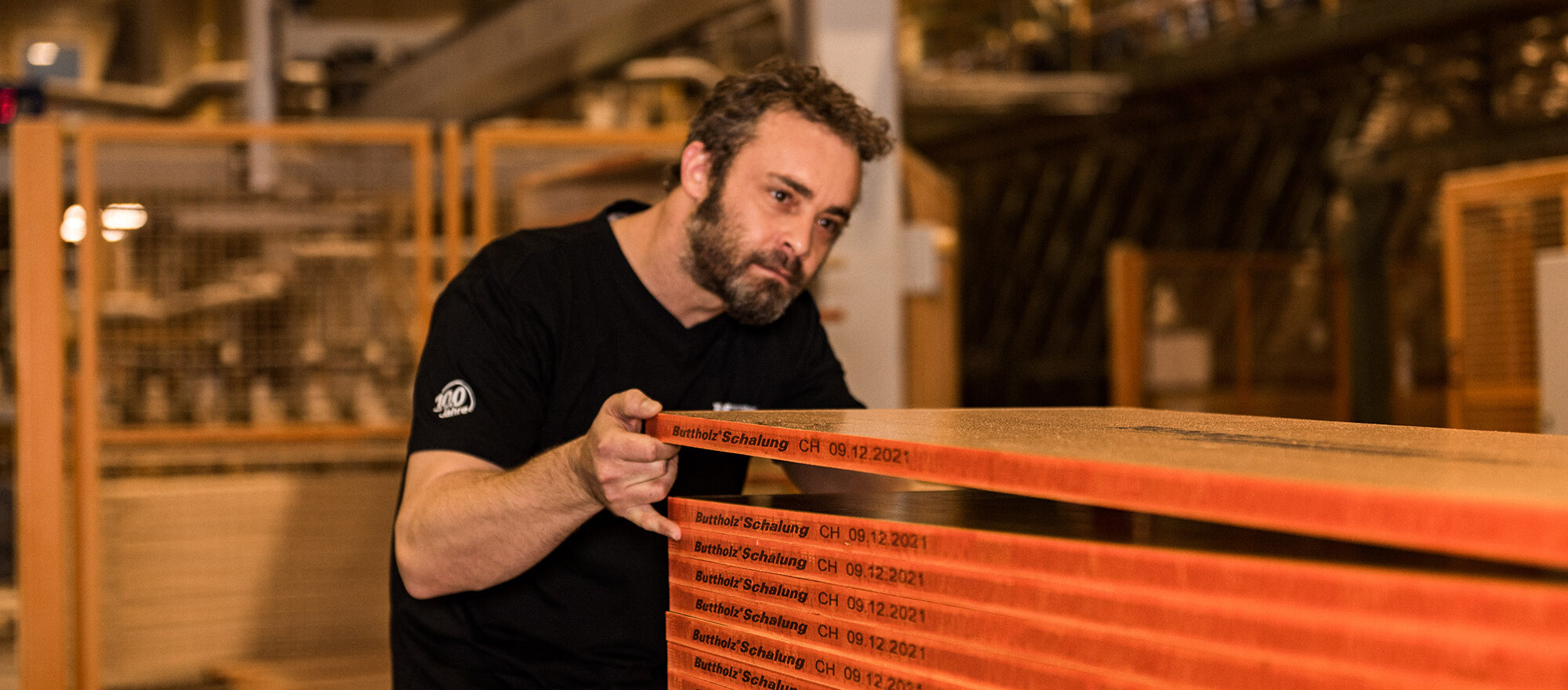
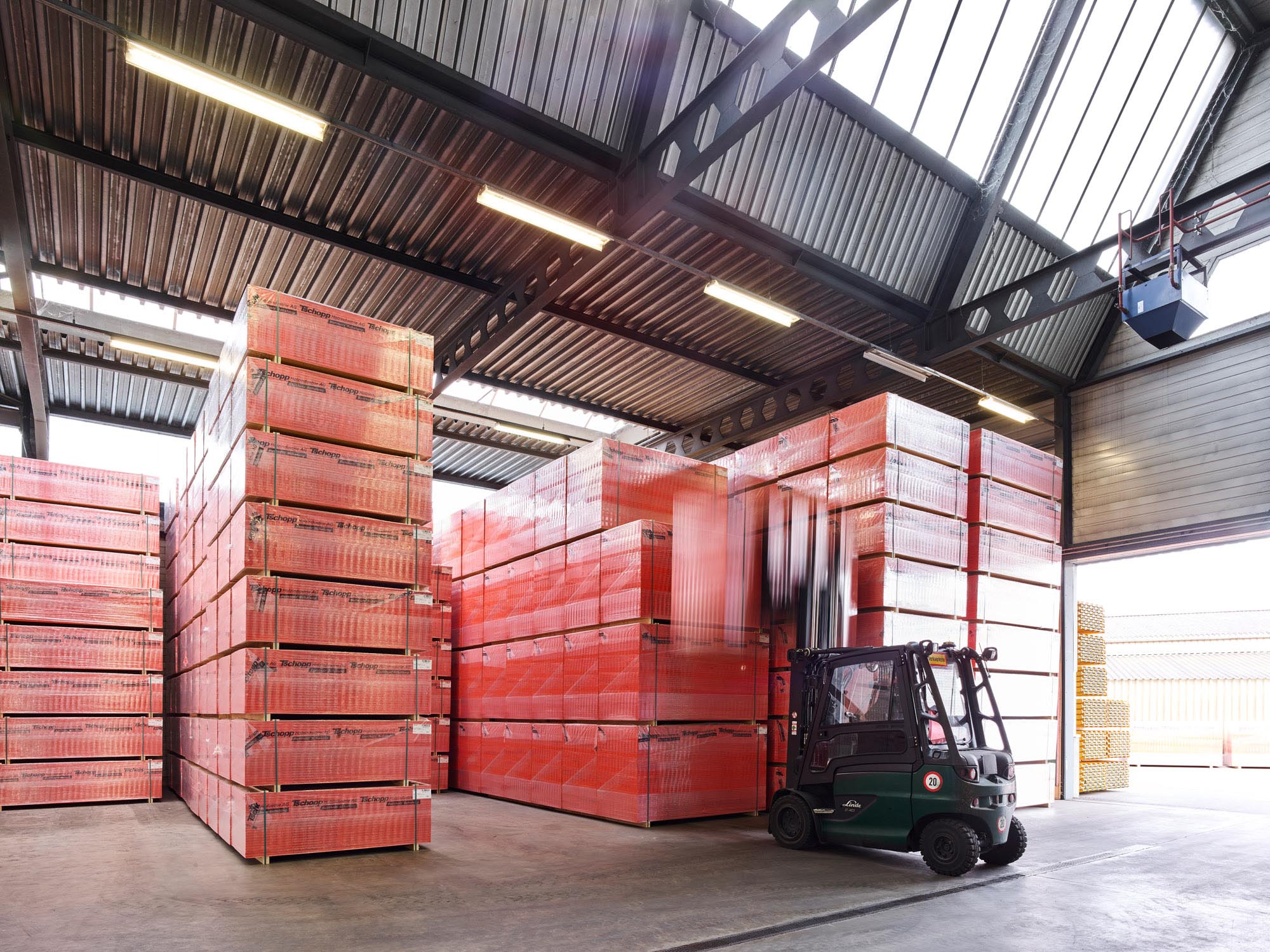
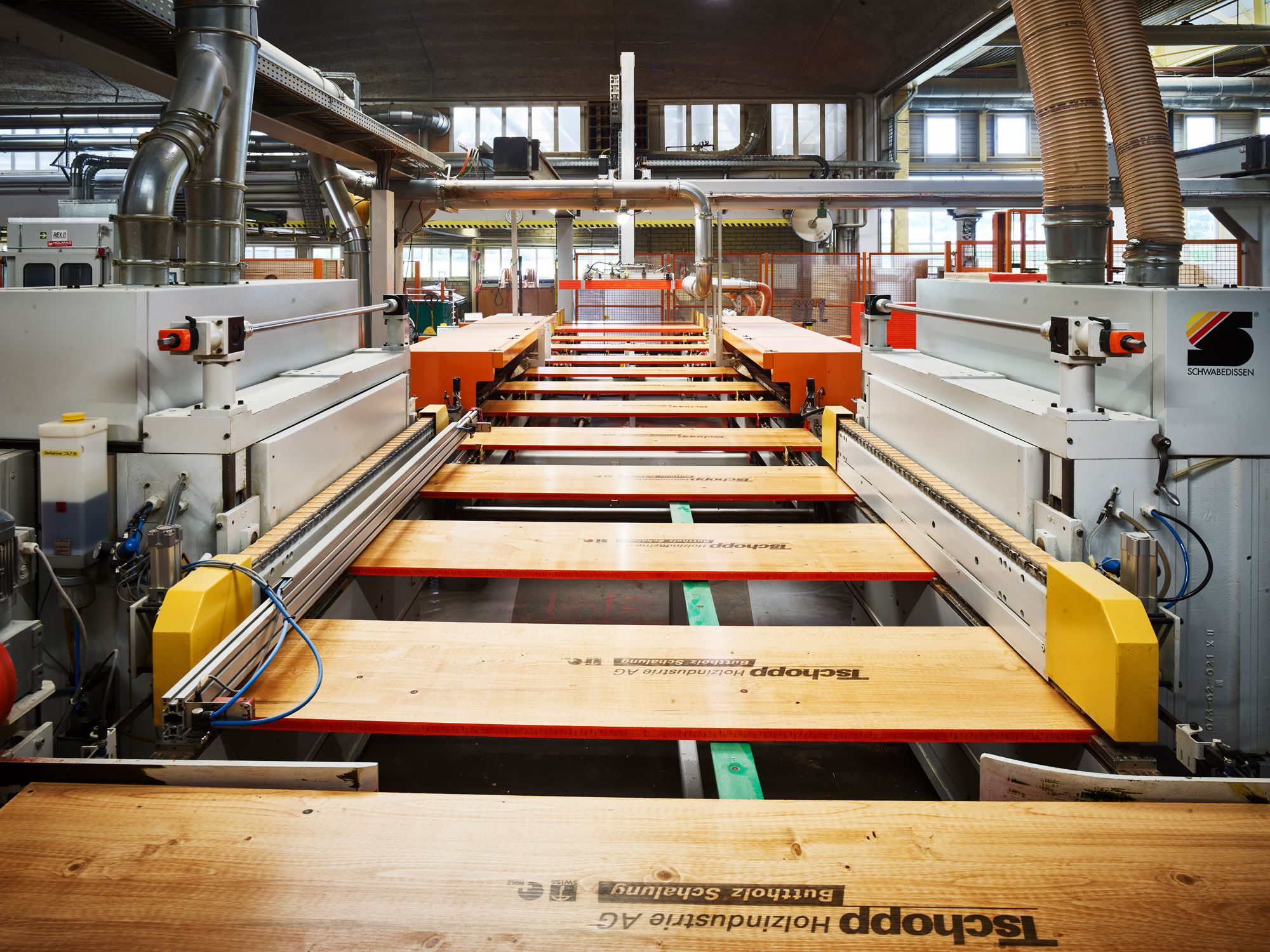
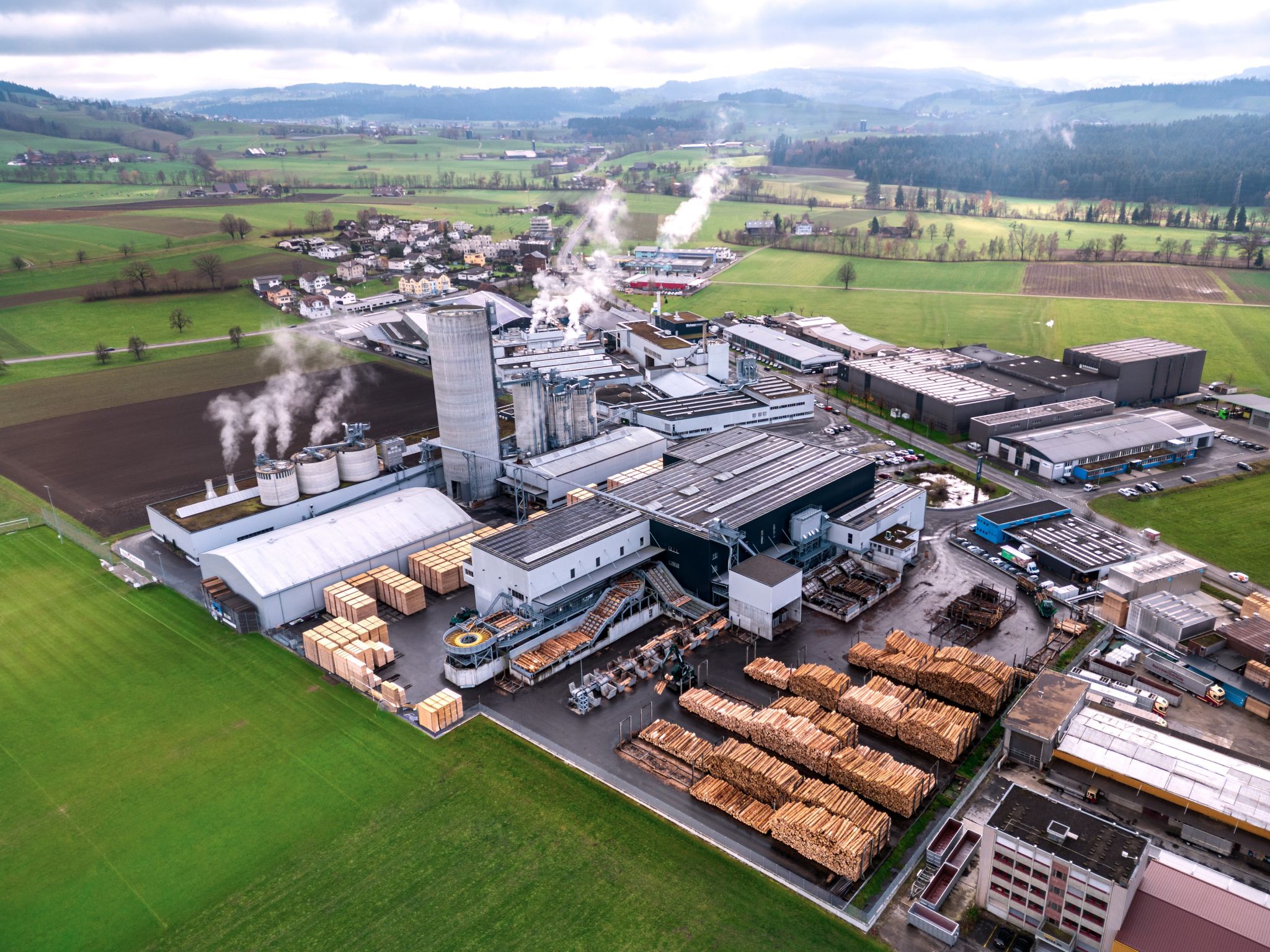
Where Swiss logs are processed, more than just a product is created. At Tschopp Holzindustrie AG in Buttisholz, wood is consistently utilized as a valuable resource: logs are turned into formwork panels, while residual wood is processed into wood pellets, heat, and green electricity. A well-conceived cycle – and an impressive example of how the modern timber industry works today.
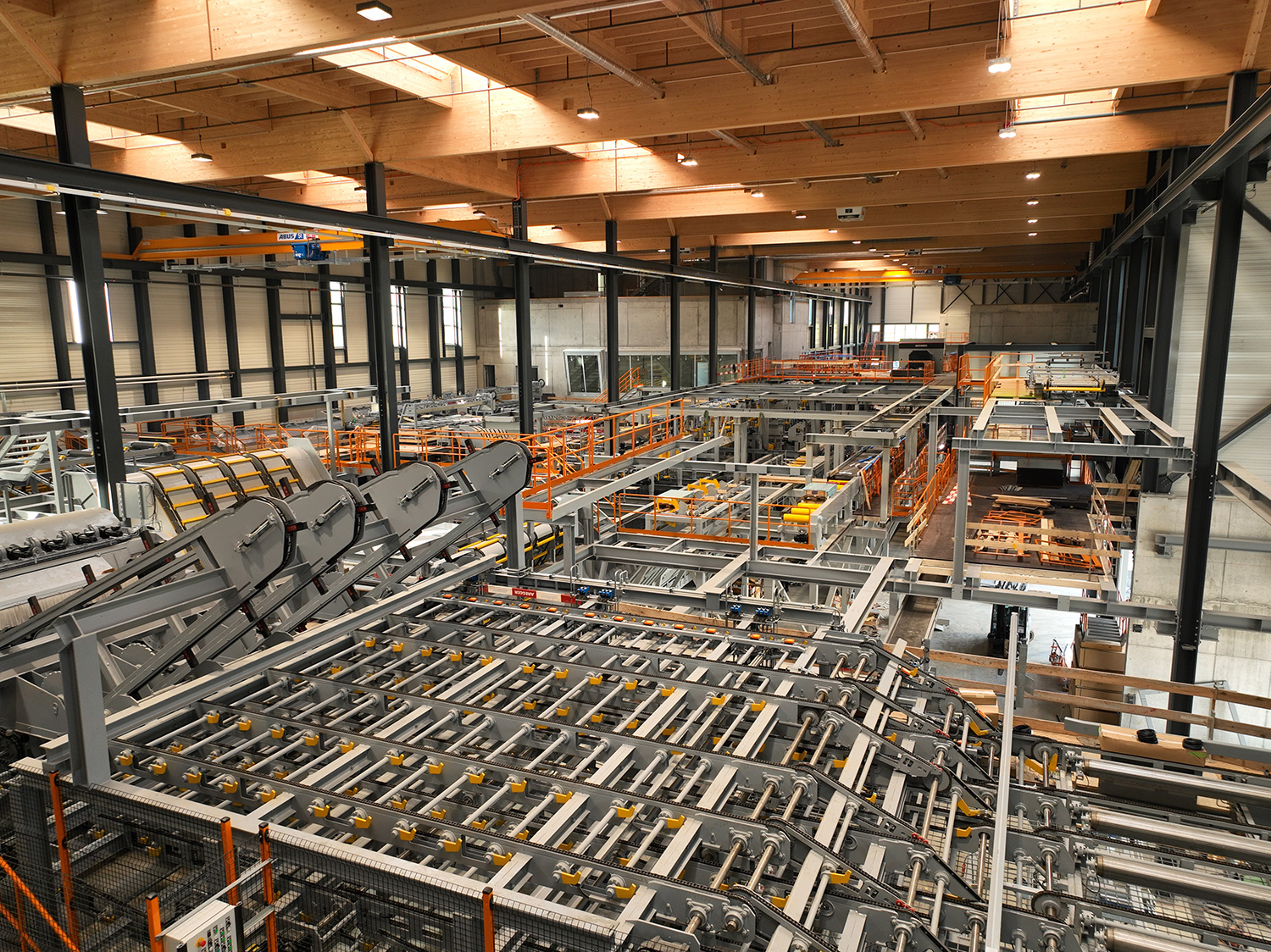
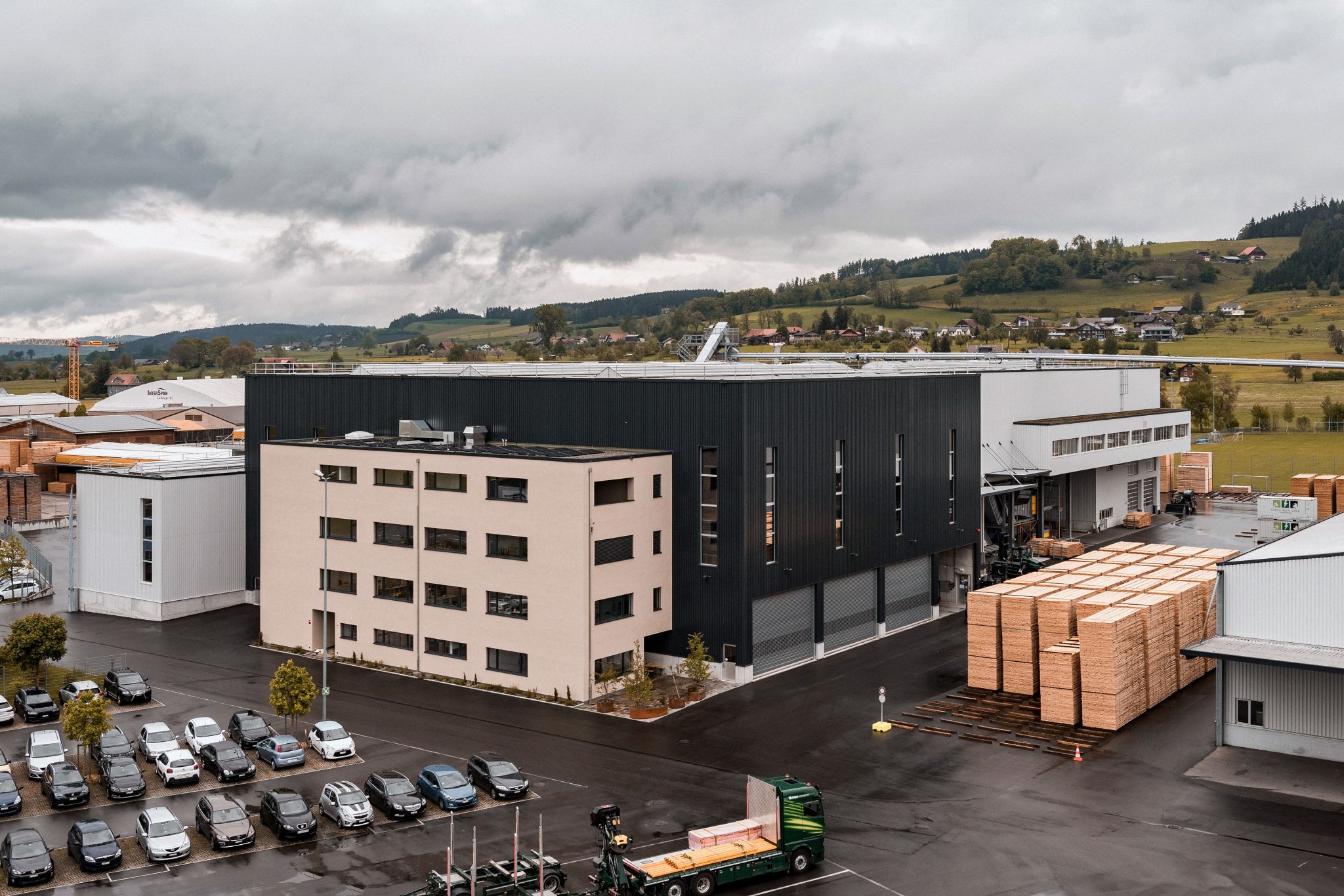
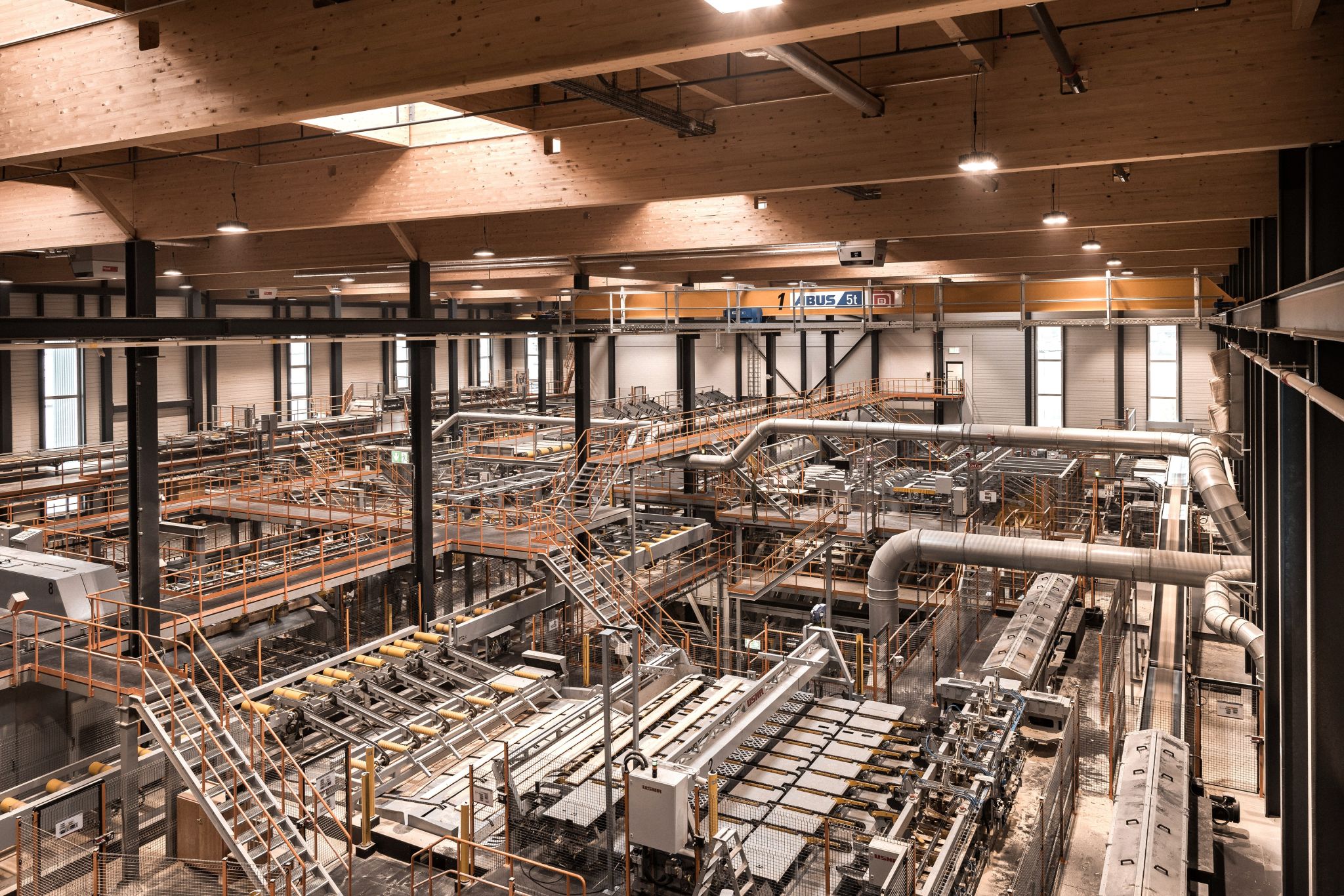
Tschopp is one of the most significant and modern companies in the Swiss timber industry. As a third-generation family business, the company combines many years of experience with continuous development. This is particularly evident in their highly automated processing: machinery, conveyor technology, silos, controls, and monitoring systems all interlock to turn wood into a high-quality, reliable energy source.
Initial situation: Long-standing client – featured for the first time
Tschopp Holzindustrie AG has relied on Uepaa for many years. We are all the more pleased to present this long-standing client in a portrait for the first time. In a facility like this, it becomes very clear why digital safety solutions create real added value in everyday industrial life.
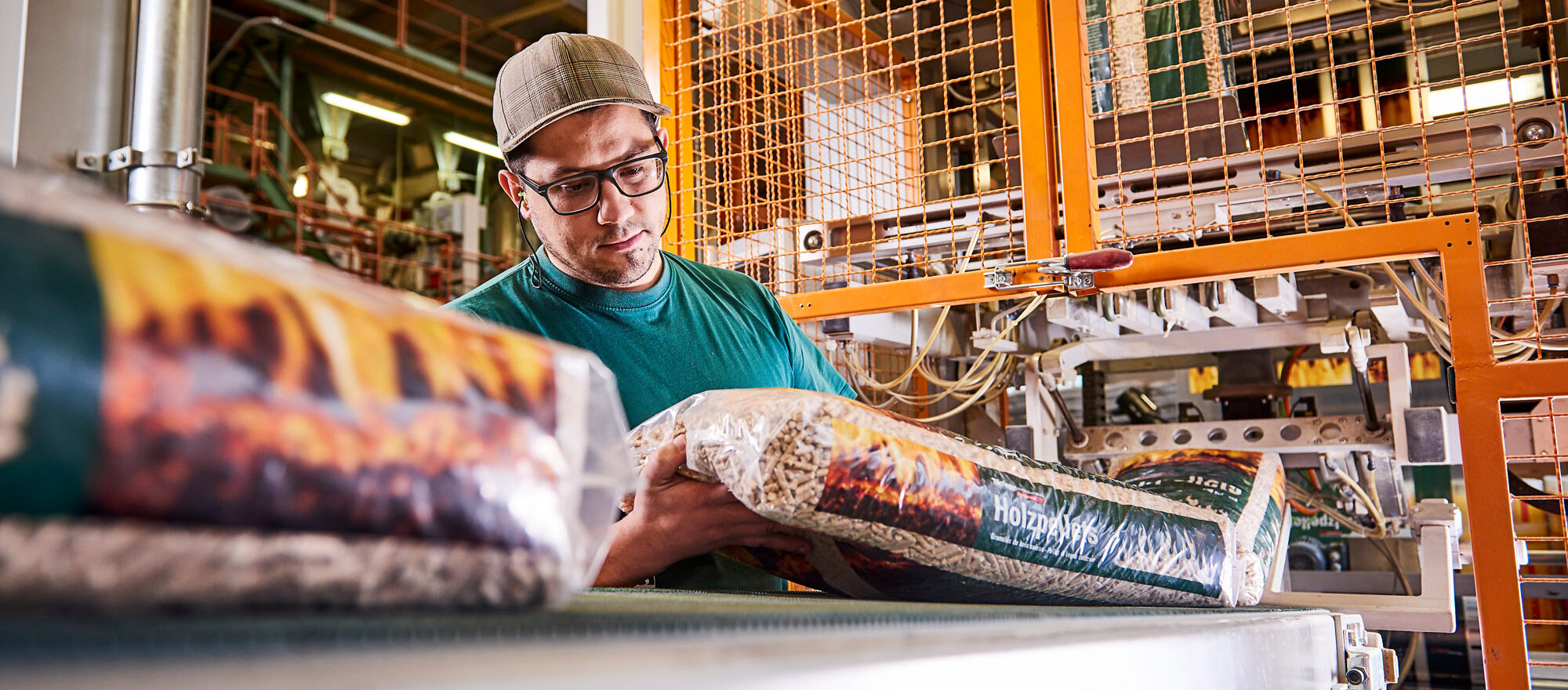
Pellet production is state-of-the-art and highly efficient. Natural residual wood in the form of sawdust, wood chips, and shavings is processed – both from the company's own operations and from external Swiss sawmills. This results in wood pellets that are used throughout Switzerland as a CO₂-neutral, local, and efficient energy source.
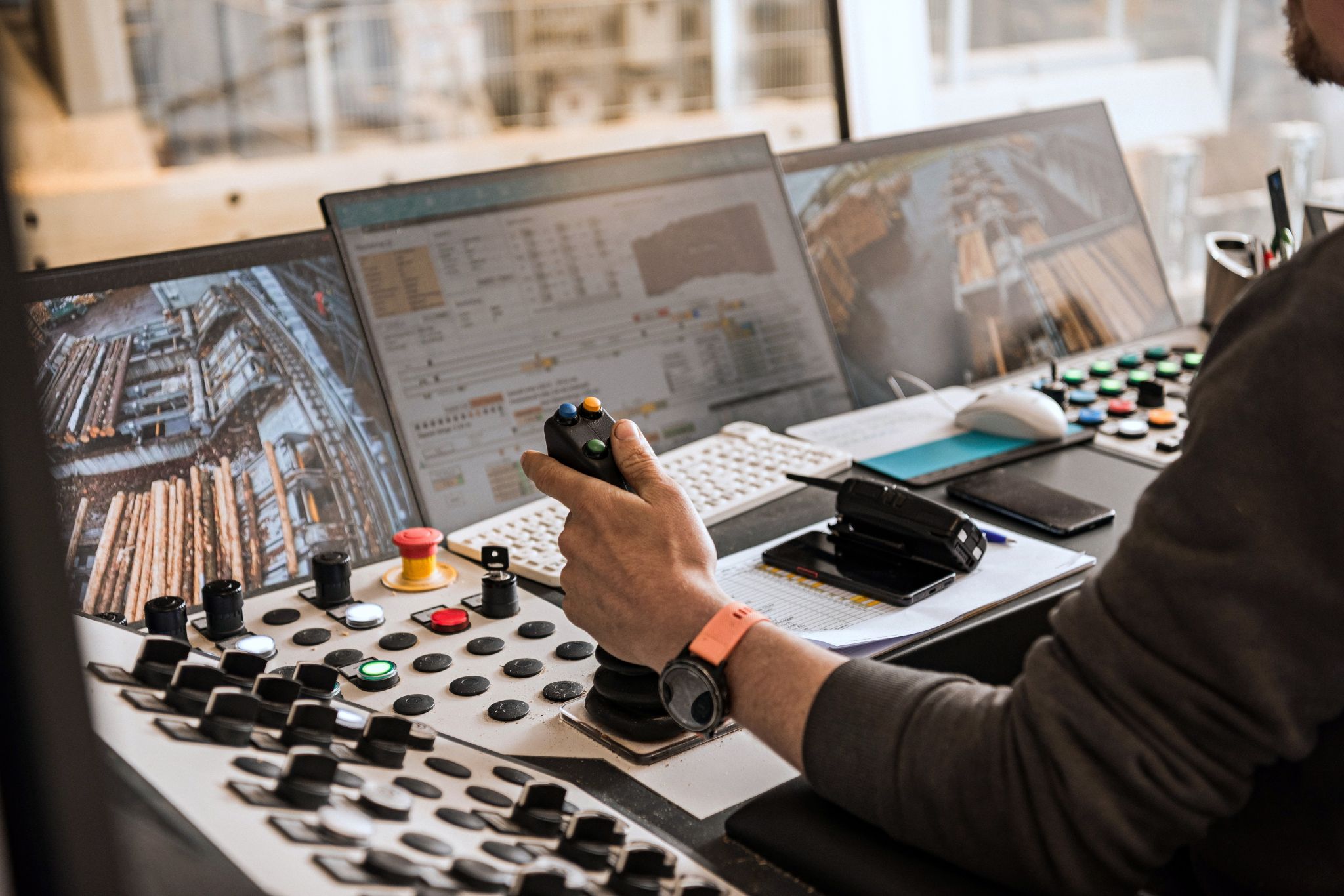
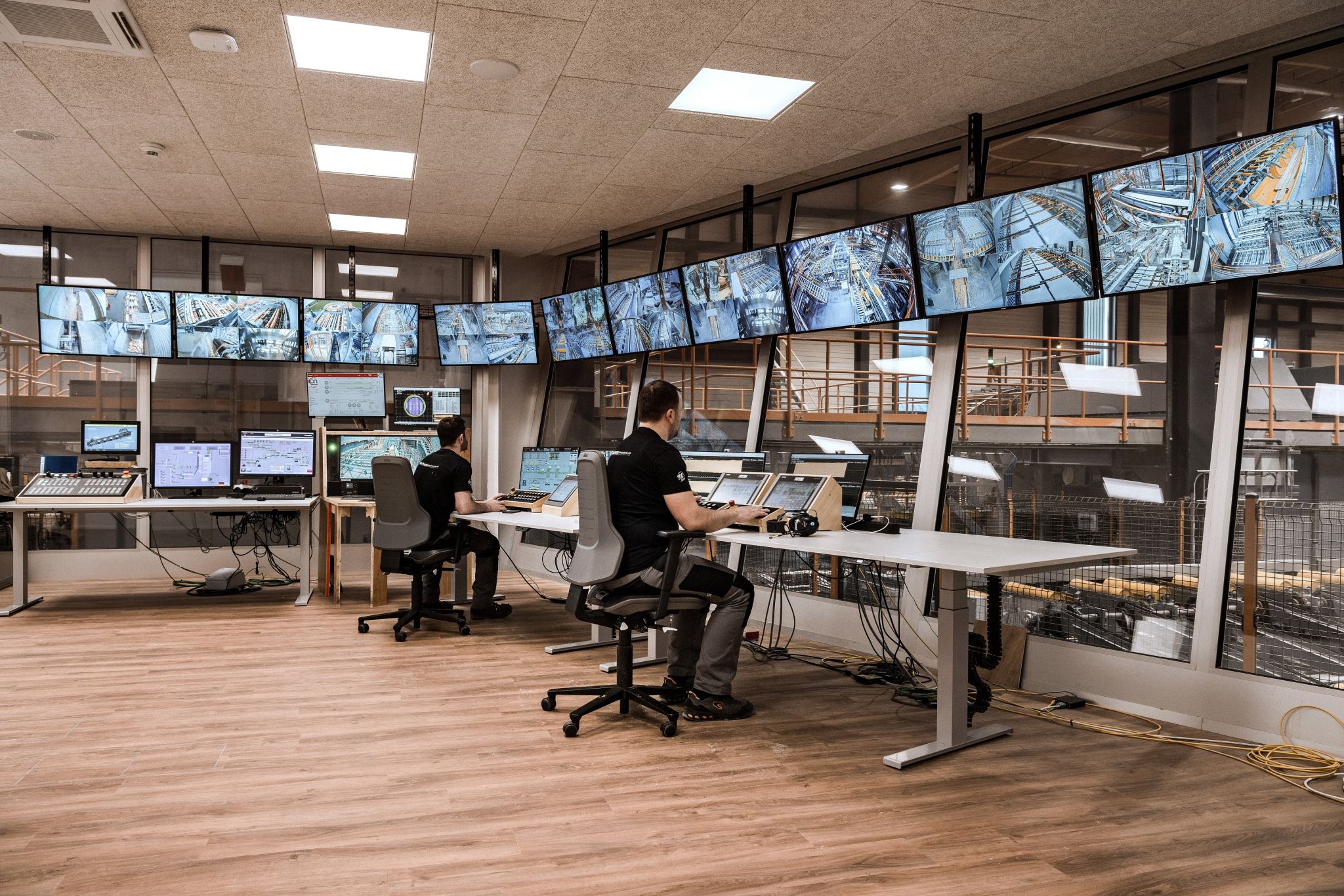
What sounds like a clearly structured process is, in reality, a complex interplay of technology, material flow, and monitoring. In highly automated plants, tasks shift: employees are no longer standing directly at the machine at all times, but are instead monitoring processes, checking equipment, troubleshooting, and conducting inspection rounds.
Challenge: When automation does not mean less responsibility
Automation increases efficiency, precision, and process reliability. At the same time, it creates new requirements for occupational safety. Where systems run around the clock and large halls, technical areas, silos, conveyor systems, or storage zones are in use, employees are not always within direct sight or earshot of one another.
Working alone can quickly become part of everyday life: during inspection rounds, troubleshooting, maintenance work, or in areas of pellet production where several people are not permanently present at the same time. It is precisely then that it is crucial that employees are not left to fend for themselves in an emergency.
Safety does not end where processes are automated. On the contrary: the more complex and distributed a company's operations are, the more important it becomes to reliably protect the people who manage these processes.
Solution: Uepaa as digital protection in everyday industrial life
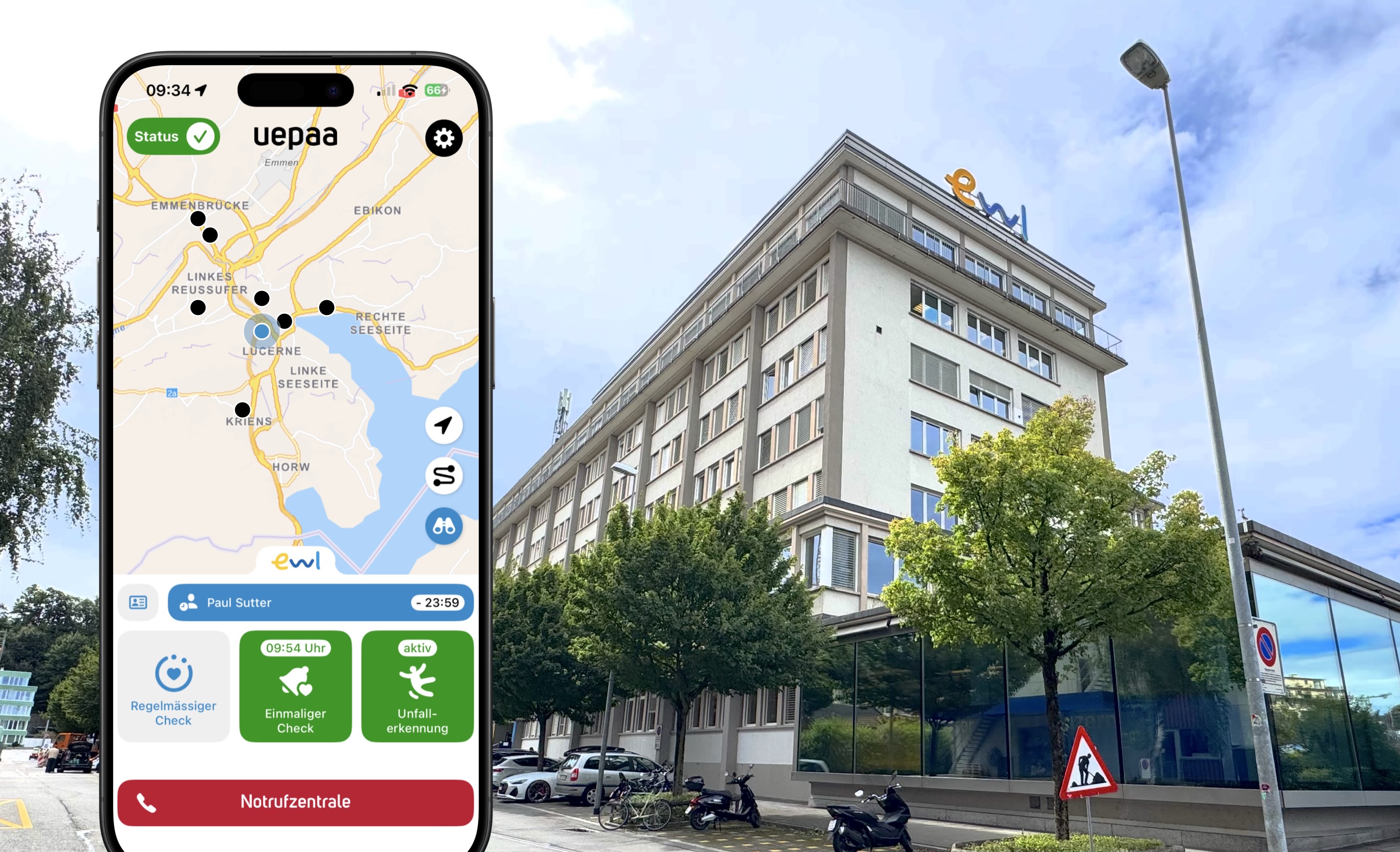
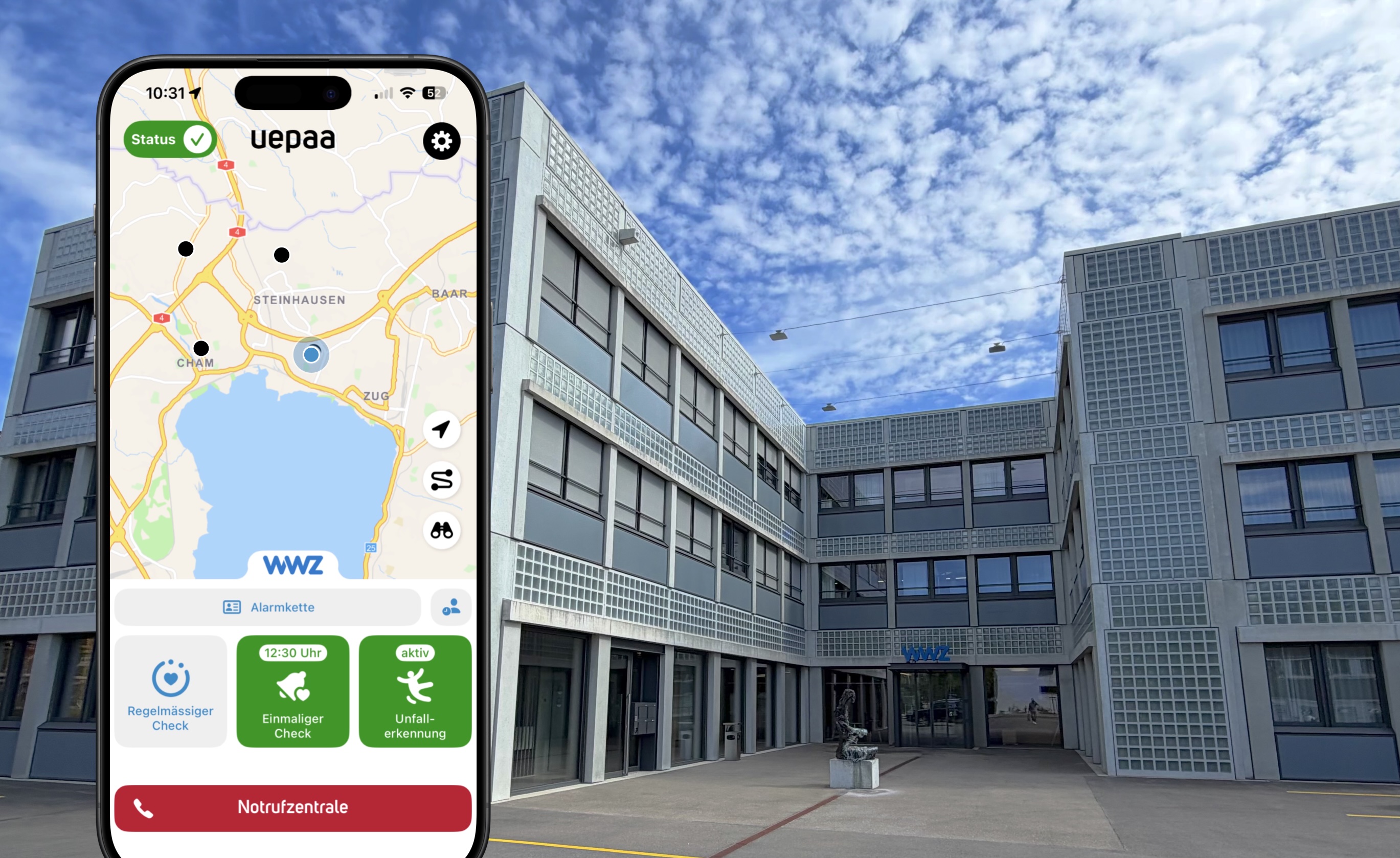
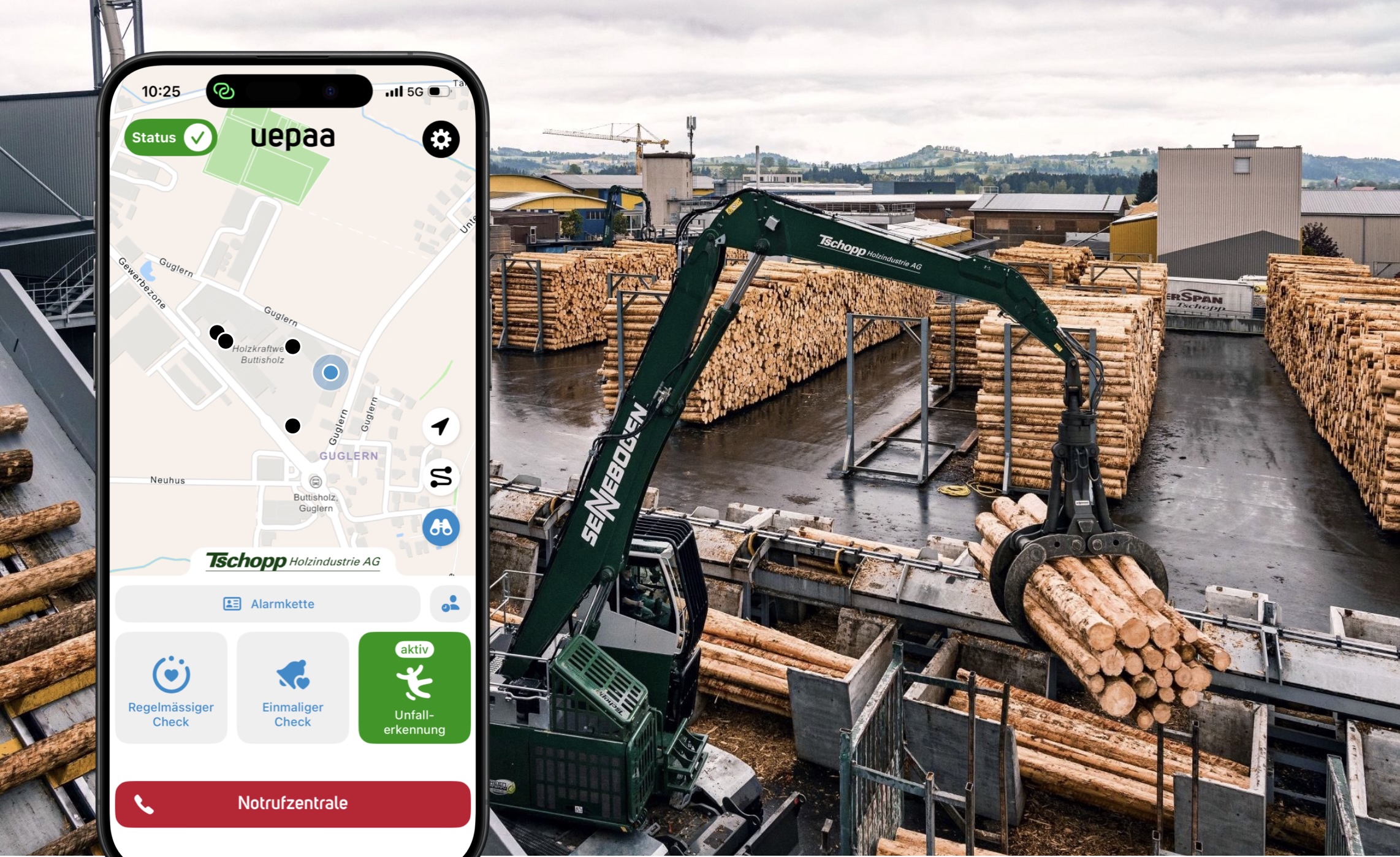
With the Uepaa app, employees working alone are digitally protected – regardless of whether they are in production, in the warehouse, on inspection rounds, or in technical areas. The solution provides support exactly where traditional sight and earshot are no longer sufficient.
Specifically, this means:
– Digital dead man's switch according to Suva 44094
– Digital on-site buddy system
– Alarm triggering even when working alone and outside direct sight and earshot
– 100% Bring Your Own Device (BYOD)
– Developed and operated in Switzerland, SWISS LABEL 🇨🇭
This turns existing responsibility into a clear, digitally supported safety process. Employees can carry out their tasks independently, with the certainty that help can be triggered and organized in the event of an incident.
Conclusion: The modern timber industry needs modern safety processes
Tschopp Holzindustrie AG impressively demonstrates how consistent resource utilization, automation, and Swiss production work together. From logs and formwork panels to pellets, heat, and green electricity, an industrial cycle is created in Buttisholz that is focused on efficiency, quality, and sustainability.
At the same time, this example also shows that behind every automated system are people who take responsibility. They monitor, check, maintain, and intervene when necessary. Often working independently. Often working alone. This is precisely why protecting lone workers is an essential part of a modern safety culture.
A big thank you to the team at Tschopp Holzindustrie AG for their long-standing trust in Uepaa.
Images: Tschopp